Owning EDSA:
Why Its Best Advantage Is Not the Road Itself
MAY 25, 2026 | MONDAY


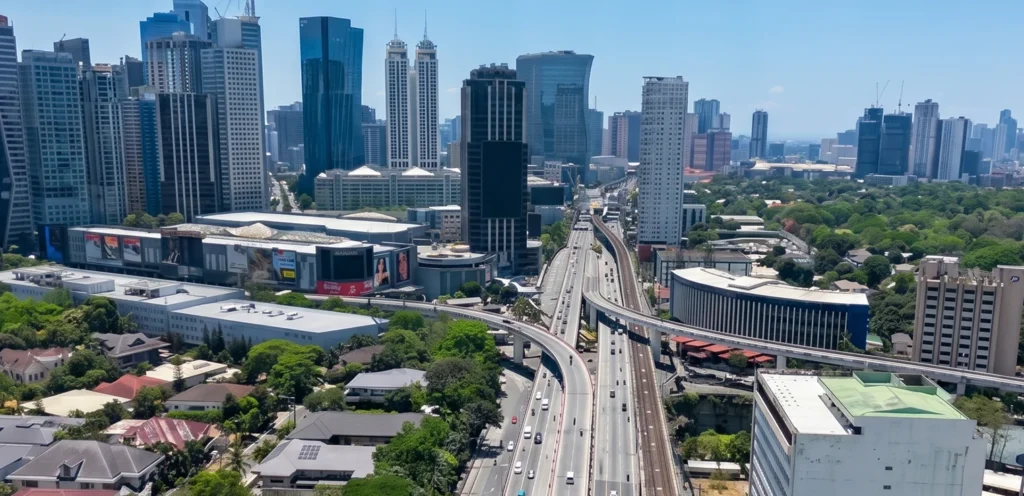
For years, EDSA has been discussed in the most obvious way possible: as a traffic problem.
That view is understandable. It is also incomplete.
Because the real value of EDSA has never been the road itself. It has always been the access the road provides, and in Metro Manila, that still counts for a great deal.
EDSA remains the spine of the metro. It links Makati, Mandaluyong, and Quezon City. It connects rail lines, business districts, offices, commercial centers, institutions, and the routines that keep the city moving. Few corridors hold together as many parts of daily life in as direct a way.
That is why it continues to matter.
The more useful question now is not whether EDSA is busy. It is why properties along it continue to stay relevant, desirable, and in demand despite that fact. The answer is straightforward: people do not choose EDSA for the road. They choose it for what opens up around it.
That distinction changes the entire conversation.
In Metro Manila, the most useful address is often not the one farthest from the city. It is the one that gives better access to more of it. For many buyers, the real premium today is not distance from the urban core, but the ability to move through it with less friction, less wasted time, and more control over the day.
This is where the EDSA story shifts.

The old POV reduces the corridor to congestion. The more accurate one is that EDSA still organizes how the metro works. It ties together places where people work, transfer, meet clients, run errands, go out, and head home. That overlap is not incidental. It is exactly what gives nearby addresses their everyday value.
This is the idea SMDC Heights has built on with clarity.
Rather than treating EDSA as a one-off location advantage, SMDC Heights has established a presence across several of its most strategic points. In Makati, Jade Residences sits close to the country’s premier financial district. In Mandaluyong, Light Residences 1 and 2 and Fame Residences occupy one of the most practical locations in the metro, with direct access to Makati, Ortigas, and Bonifacio Global City. In Quezon City, Glam Residences places residents near government offices, media networks, universities, and a northern district that continues to expand.
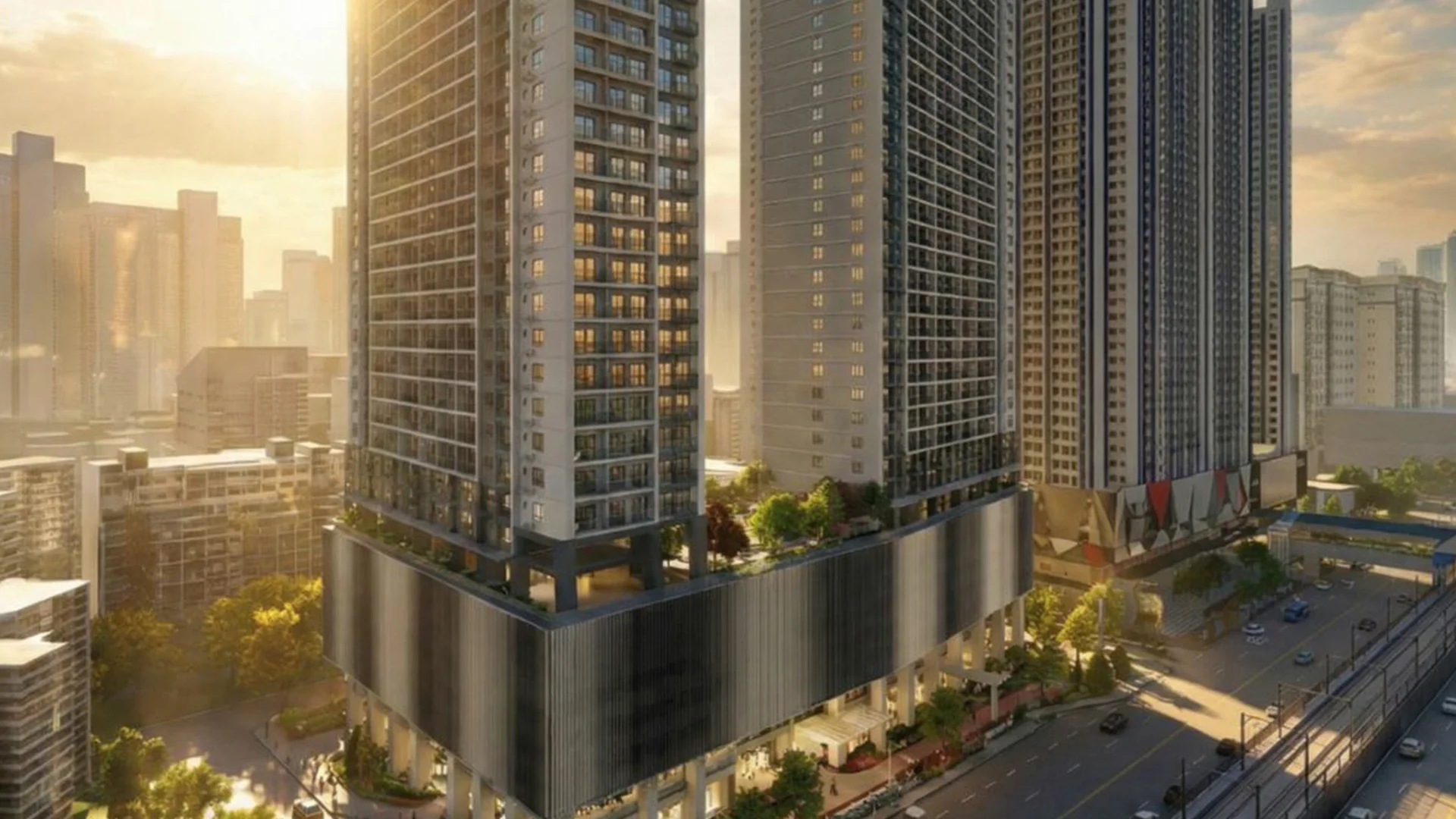
Seen one by one, these are strong locations. Seen together, they reveal something bigger: a clear understanding of how Metro Manila actually functions.
The advantage here is not simply north, center, or south. It is presence across the corridor that still brings those parts together. That matters even more now because the buyer has changed.
The urban professional no longer moves within one fixed routine. Work shifts across districts. Meetings happen in different business centers on the same day. Daily life is split across multiple points on the map. In that kind of environment, living near transport links, commercial centers, and major employment hubs is not a small convenience. It changes the structure of the day.
This is also why walkability carries more weight than many developers admit.
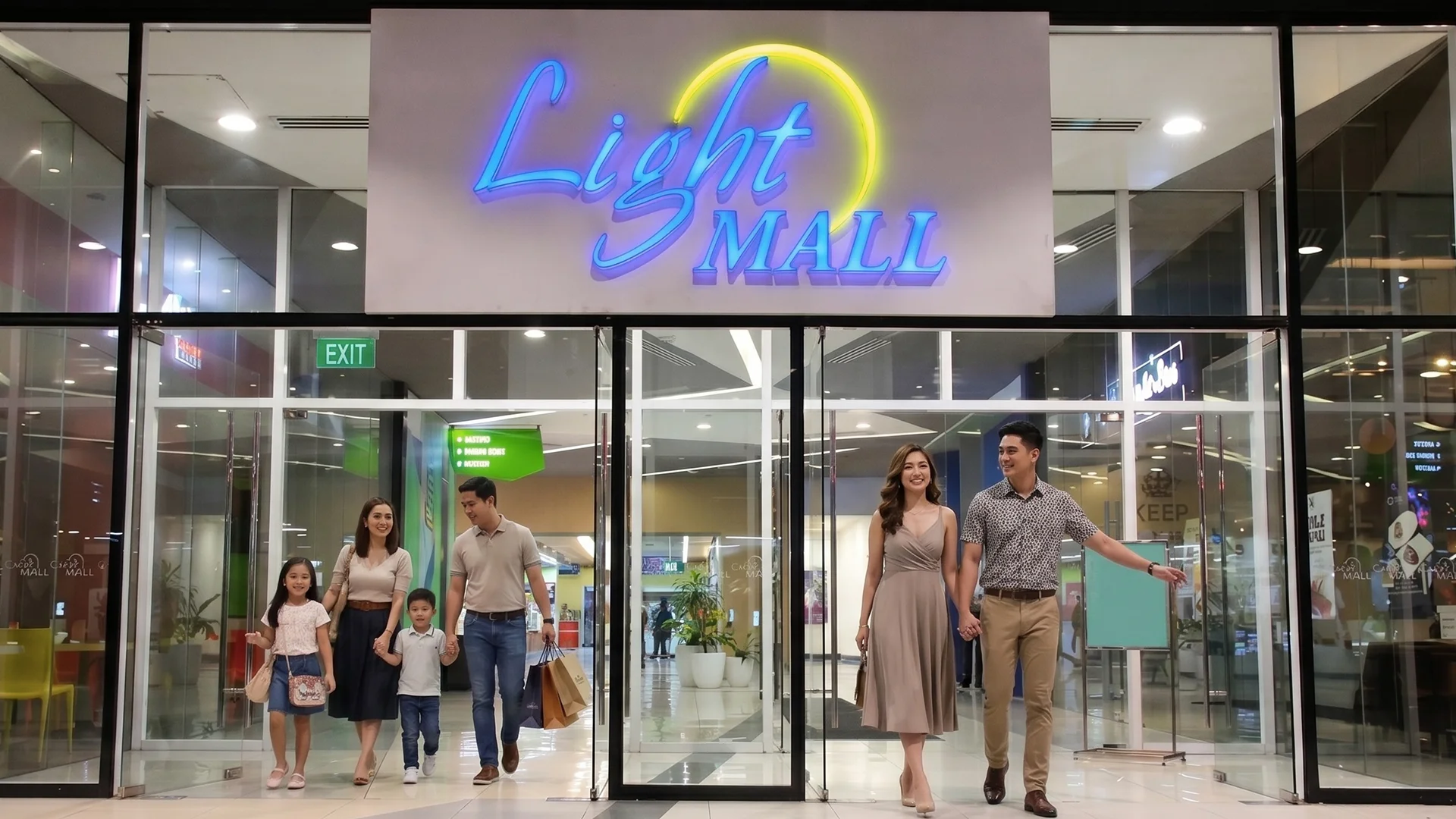
Being within walking distance of an MRT station, major retail, or daily essentials can do more than save time. It reduces dependence on road travel alone. It gives residents another way to move when traffic builds. It makes daily life less vulnerable to delay. In a city where plans can easily unravel because of distance and congestion, that is a serious advantage.
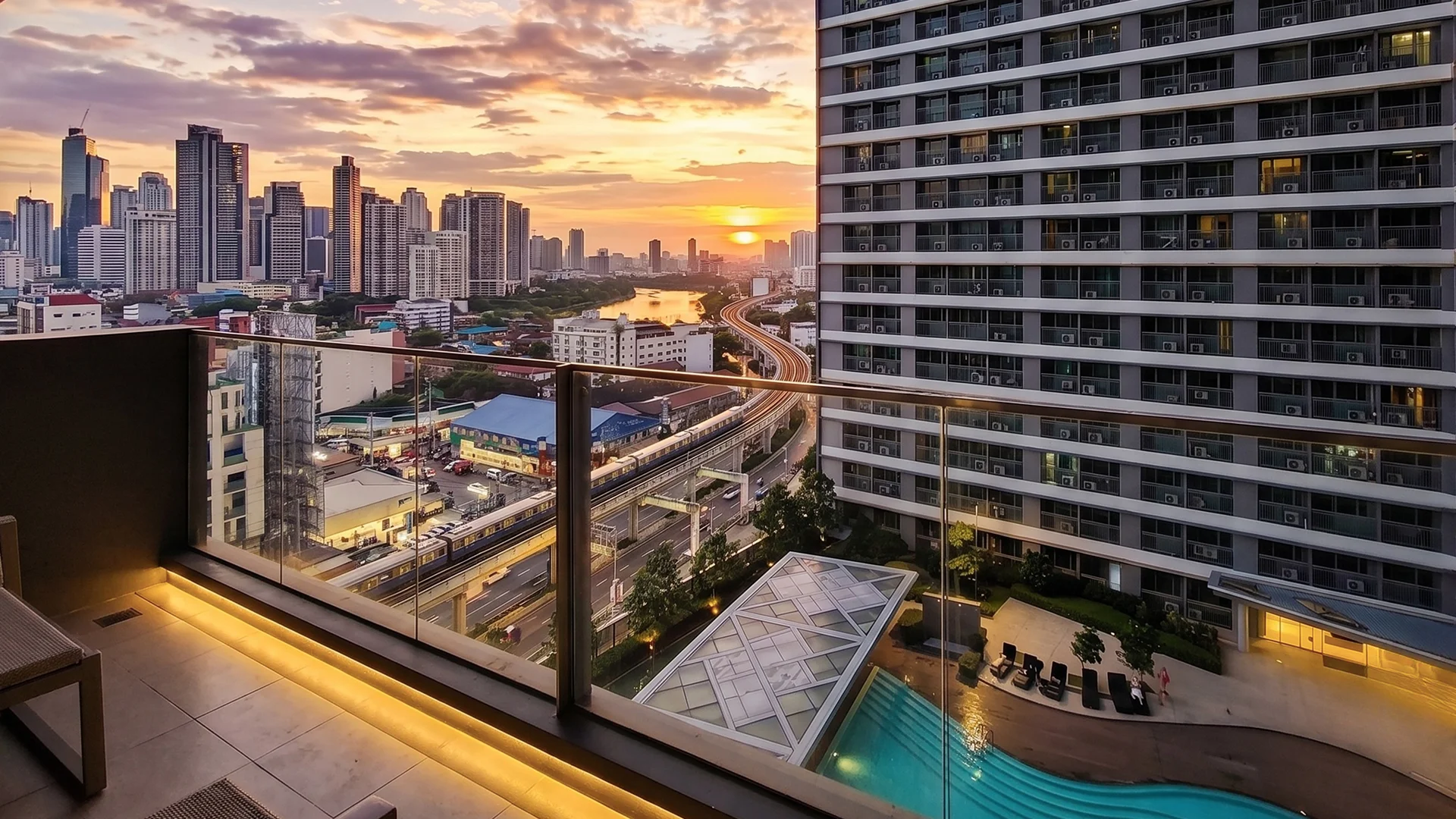
The same logic applies to investment.
Rental demand in Metro Manila has always favored locations that make daily life easier. Places that help tenants get to work faster, move across the city more easily, and stay close to transport and commercial areas tend to stay attractive over time. Accessibility is not just a selling point. It is one of the strongest reasons a property keeps its value.
That also explains why EDSA continues to hold weight even as new roads and infrastructure projects are introduced across Metro Manila.
New projects may improve mobility in different parts of the metro, but they do not erase the fact that EDSA still sits at the center of so many overlapping systems. Businesses remain along it. Transit remains tied to it. Everyday movement still runs through it. The corridor evolves, but it does not become irrelevant.
For years, EDSA has been treated as something to complain about. In real estate, that has made it easy to miss the more important story.

The corridor many people reduce to traffic is also the corridor that still gives some of the best access in the metro.
That is what buyers are starting to understand.
And that is what it now means to own EDSA.