Beyond shelter:
The economic role of homeownership
By Jomarc Angelo M. Corpuz
SEPTEMBER 28, 2026 | MONDAY



For many Filipino families, buying a house they can call a home is a deeply personal decision. It can mean having a place to raise a family, turning years of work into a long-term asset, and establishing a stable base from which to build the future. Due to these factors, homeownership influences how people work, spend, move around, and participate in their communities.
Yet, the cost of homeownership can place it beyond the immediate reach of many households. This is where the different players in the housing ecosystem come in. While their roles may be distinct, they are connected by a common goal of helping more Filipinos establish homes that support their families and their livelihoods.
The Department of Human Settlements and Urban Development (DHSUD) provides policy and regulatory direction for housing and sustainable human settlements. Meanwhile, Pag-IBIG Fund helps qualified Filipino workers access housing finance, while private developers such as SM Development Corporation (SMDC) develop homes and communities that respond to changing household needs, lifestyles and locations.
Where people live matters
The housing decision often starts with the price and size of a property. Buyers also consider location, connectivity and everyday convenience because these affect the total cost and experience of homeownership.
These factors can influence the overall cost and experience of homeownership as families spend on transportation, utilities, maintenance, and other daily needs alongside their housing payments. A home located near employment centers, transportation, and essential services can help households manage their time and resources more efficiently. By reducing the time and cost required to reach work and essential services, well-located housing can also support workforce stability and productivity.
For developers, creating homes also means considering how security, open spaces, amenities, maintenance and professional property management affect a community’s livability and long-term viability.
SMDC’s residential segments illustrate how homeownership can take different forms depending on household needs and locations. SMDC Heights comprises urban condominium communities located near business districts, transportation, and essential services. SMDC Nature consists of mid-rise communities that balance accessibility, open spaces, and everyday convenience, while SMDC Symphony Homes offers house-and-lot communities for families seeking more space and a neighborhood setting. The three segments show how housing options can respond to different lifestyles, household sizes and stages of life.

Homeownership can also influence how families make longer-term decisions. Having a permanent place to live can give households greater certainty when planning for major expenses, raising children or preparing for the future. For families, the home can become an asset that remains part of their financial picture over many years and, in some cases, can be passed on to the next generation.

The economic activity generated by residential communities can contribute to a more established local economy. Families living in an area create recurring demand that can sustain neighborhood enterprises, from small retailers and food establishments to repair, maintenance, and personal services. As the population of a community grows, these activities can generate additional employment and encourage other businesses to set up nearby.

One example of how these roles can come together is the recently signed SMDC-Pag-IBIG Fund partnership. The partnership will involve buyer education, seller training, and assistance throughout the application process, helping qualified buyers understand their financing options and available housing choices.

A broader impact
Residential development can also contribute to the formation of new economic centers. When housing growth occurs alongside commercial activity, infrastructure, and other investments, communities can develop into places where people can live and work within the same broader area. This can help distribute economic activity across cities and regions while giving growing industries access to nearby residents and workers.
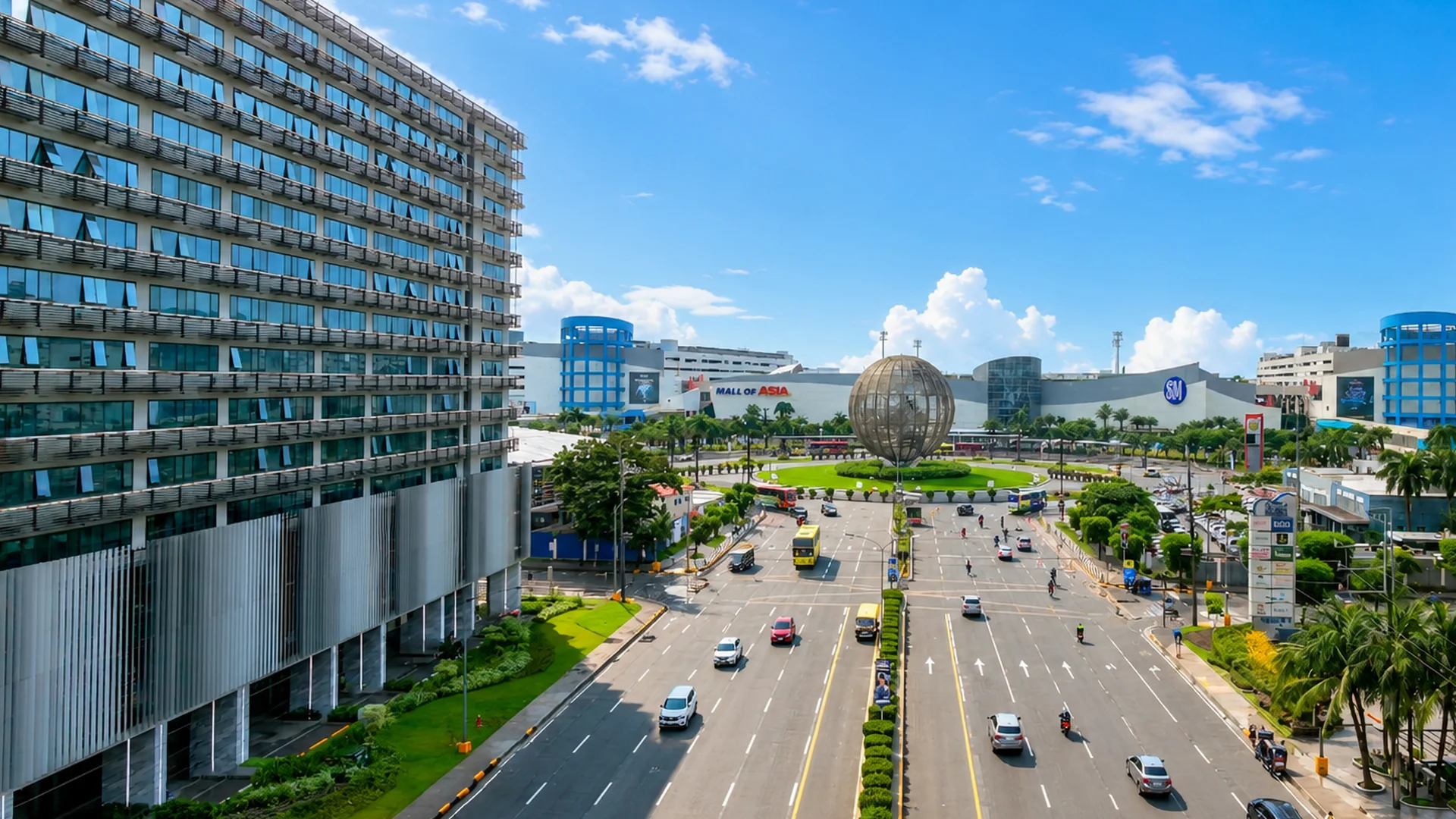
In terms of how it affects the country, the significance lies in how individual housing decisions can add up across communities. Every household that establishes itself in a residential area becomes part of the economic activity around it, creating demand for goods and services while contributing to the workforce. Over time, these patterns can shape how neighborhoods develop and how economic activity expands into new areas.
For these reasons, the value of homeownership can be measured both by the number of houses or units built and by whether those homes are connected to the everyday needs of the people who live in them.
When policy, responsible financing, housing supply and community development respond to the actual needs of homebuyers, homeownership creates value beyond the individual household. It provides families with a stronger foundation while supporting a more productive workforce, more active local economies and more resilient cities—demonstrating how a personal milestone can also contribute to nation-building.