Infrastructure Builds Cities, Communities Build the Future
JULY 29, 2026 | WEDNESDAY


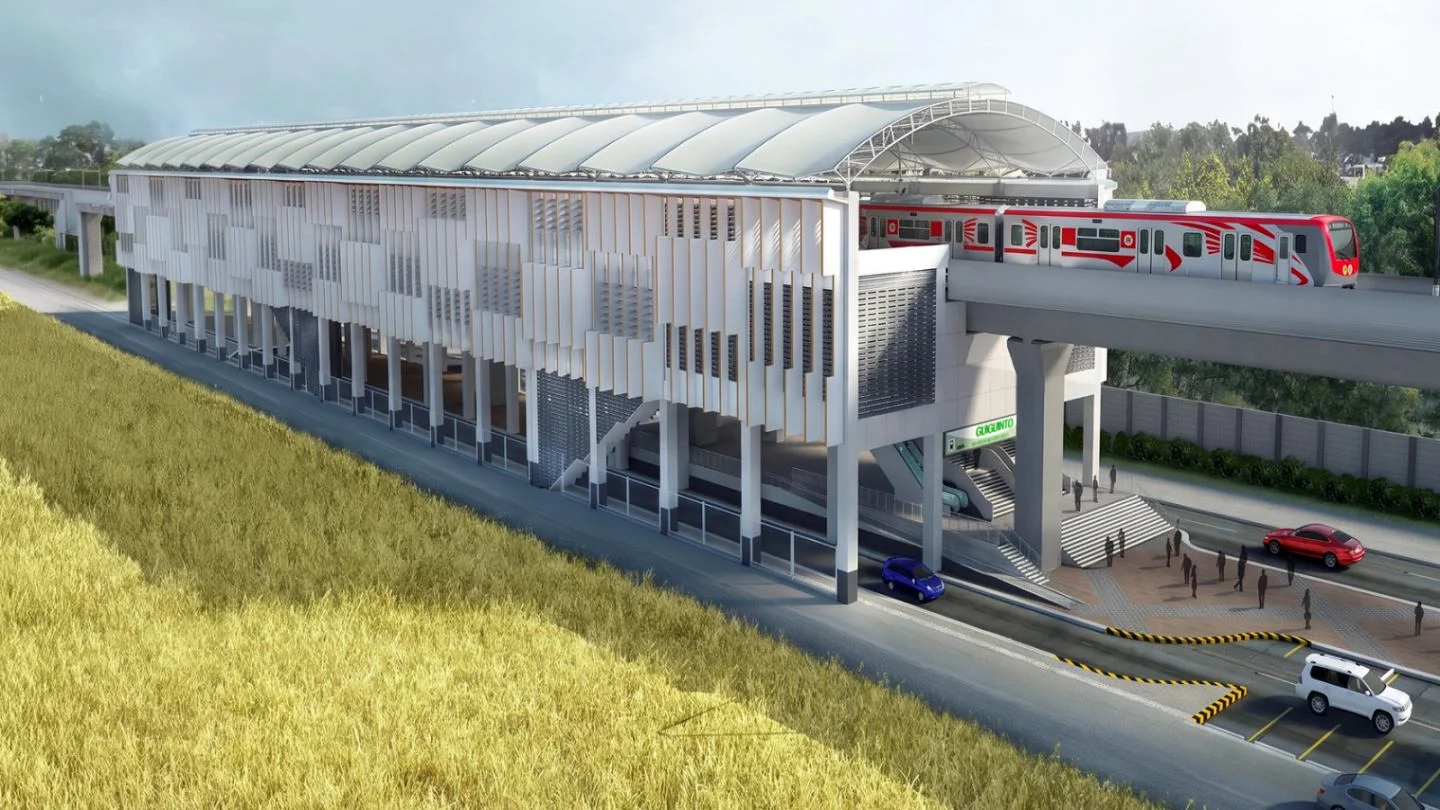
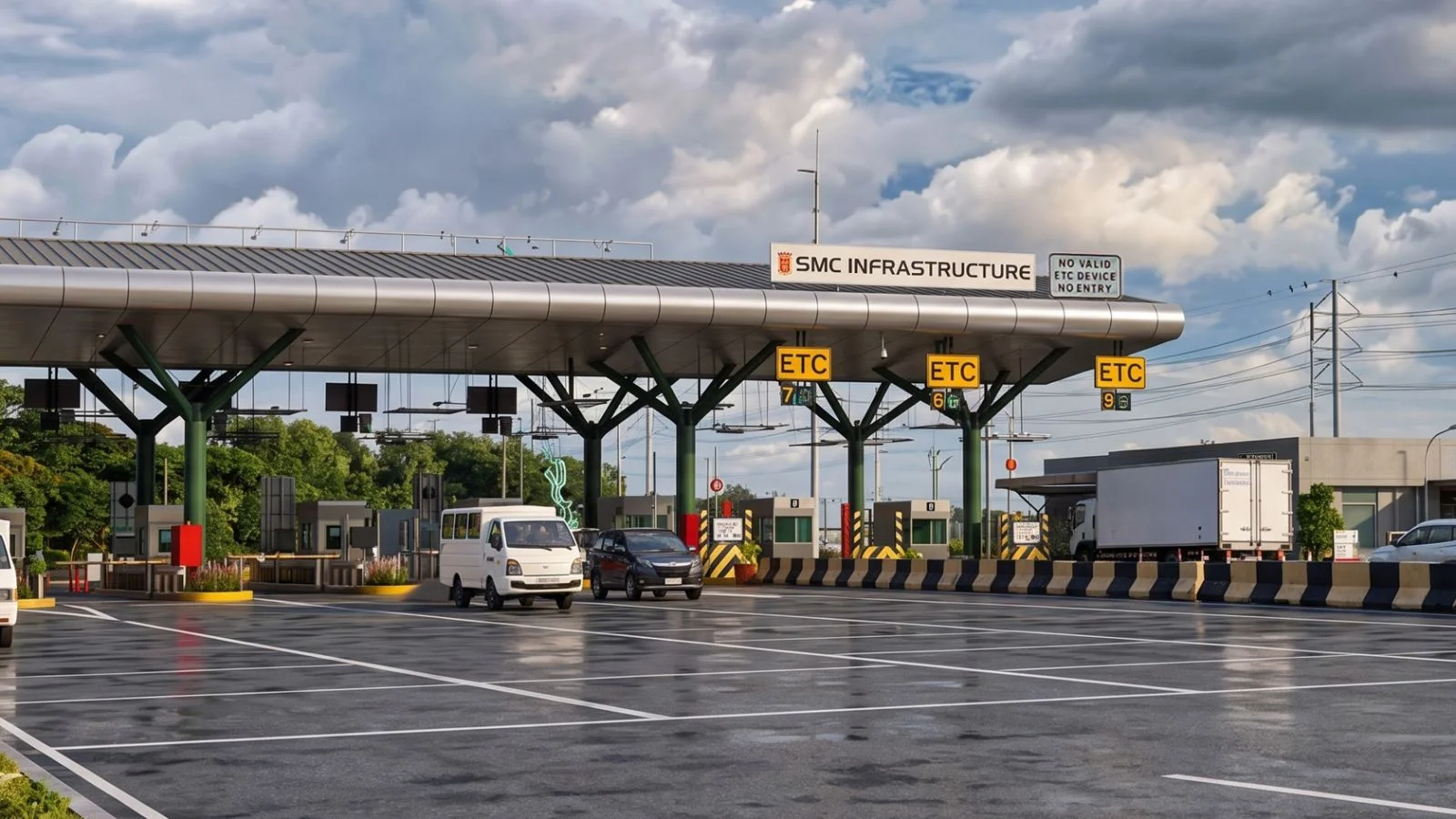
For decades, infrastructure has been one of the strongest drivers of real estate growth in the Philippines. Every new expressway, railway, airport, and transport hub has expanded the boundaries of opportunity, opening once-distant areas to businesses, investments and residential development. The relationship has always been clear: where infrastructure goes, growth follows.
For decades, infrastructure has been one of the strongest drivers of real estate growth in the Philippines. Every new expressway, railway, airport, and transport hub has expanded the boundaries of opportunity, opening once-distant areas to businesses, investments and residential development. The relationship has always been clear: where infrastructure goes, growth follows.
These projects do more than reduce travel time. They redefine economic geography. They create new business districts, attract investments beyond Metro Manila, and unlock the potential of emerging growth centers across the country.
This was one of the defining themes that emerged during The Manila Times Property and Infrastructure Forum 2026 on July 23.
Yet perhaps the more important conversation is what comes next.
Infrastructure may determine where growth begins, but it does not, by itself, create communities where people aspire to build their lives.
As connectivity improves across the country, accessibility is gradually becoming the baseline rather than the sole competitive advantage. Increasingly, the conversation is shifting from where people can live to how they want to live.
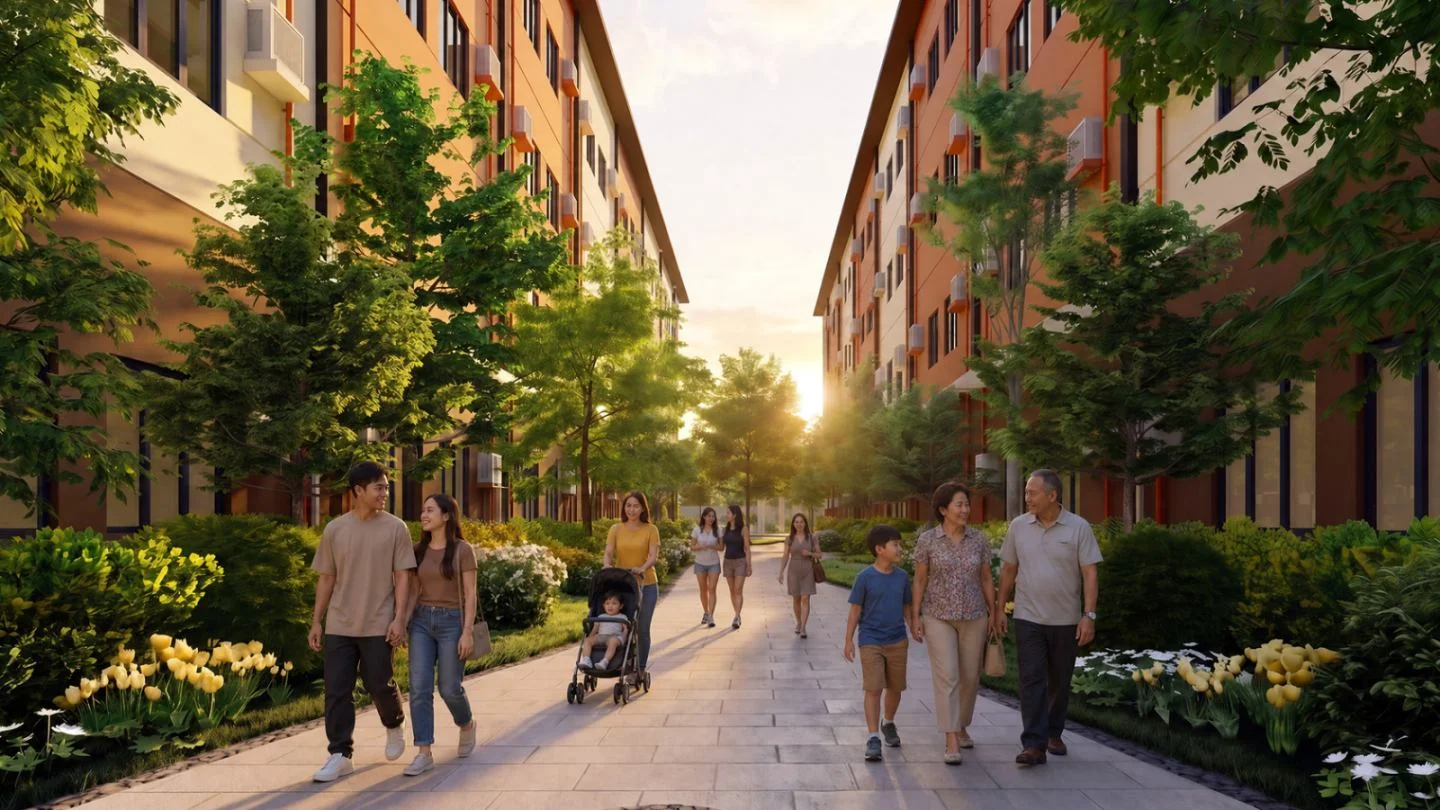
Today’s homebuyers are looking beyond proximity to major roads and business districts. They are seeking neighborhoods that offer a healthier and more balanced way of life—places with open spaces, walkable environments, access to schools and health care, nearby employment, retail conveniences, and opportunities for recreation and community interaction.
In other words, infrastructure creates access. Community planning creates value.
A growing industrial hub
This shift is especially evident in growth centers such as Sta. Rosa, Laguna.
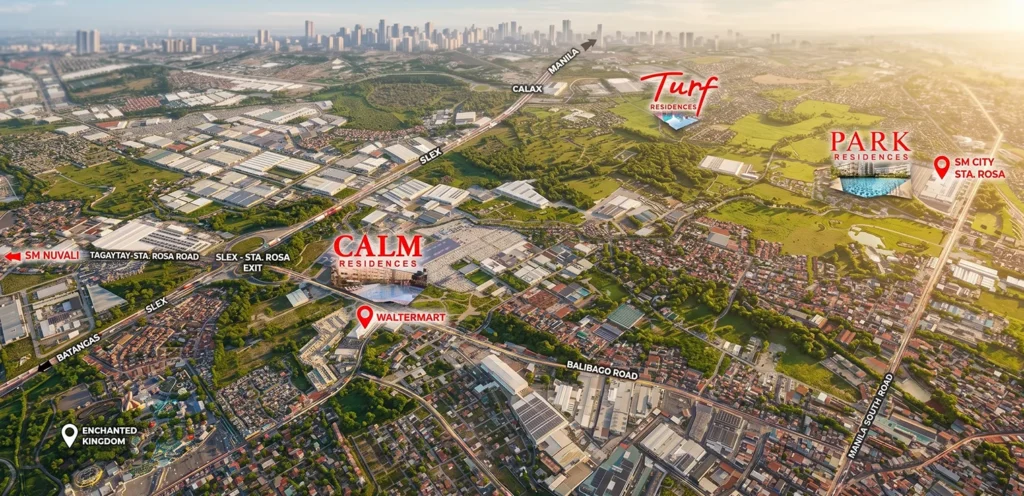
Long regarded as one of the country’s leading investment destinations, Sta. Rosa has evolved far beyond its reputation as an industrial hub. Supported by CALAx, SLEx, and the upcoming South Commuter Railway Project, the city continues to attract manufacturers, technology companies, educational institutions, health care providers, and commercial investments. At the same time, it has steadily developed into a more complete urban environment where people can live, work, learn, shop and unwind within the same city.
That evolution reflects a broader direction for Philippine real estate.
The next generation of developments will not be defined simply by their proximity to infrastructure. They will be measured by how well they translate connectivity into everyday quality of life.
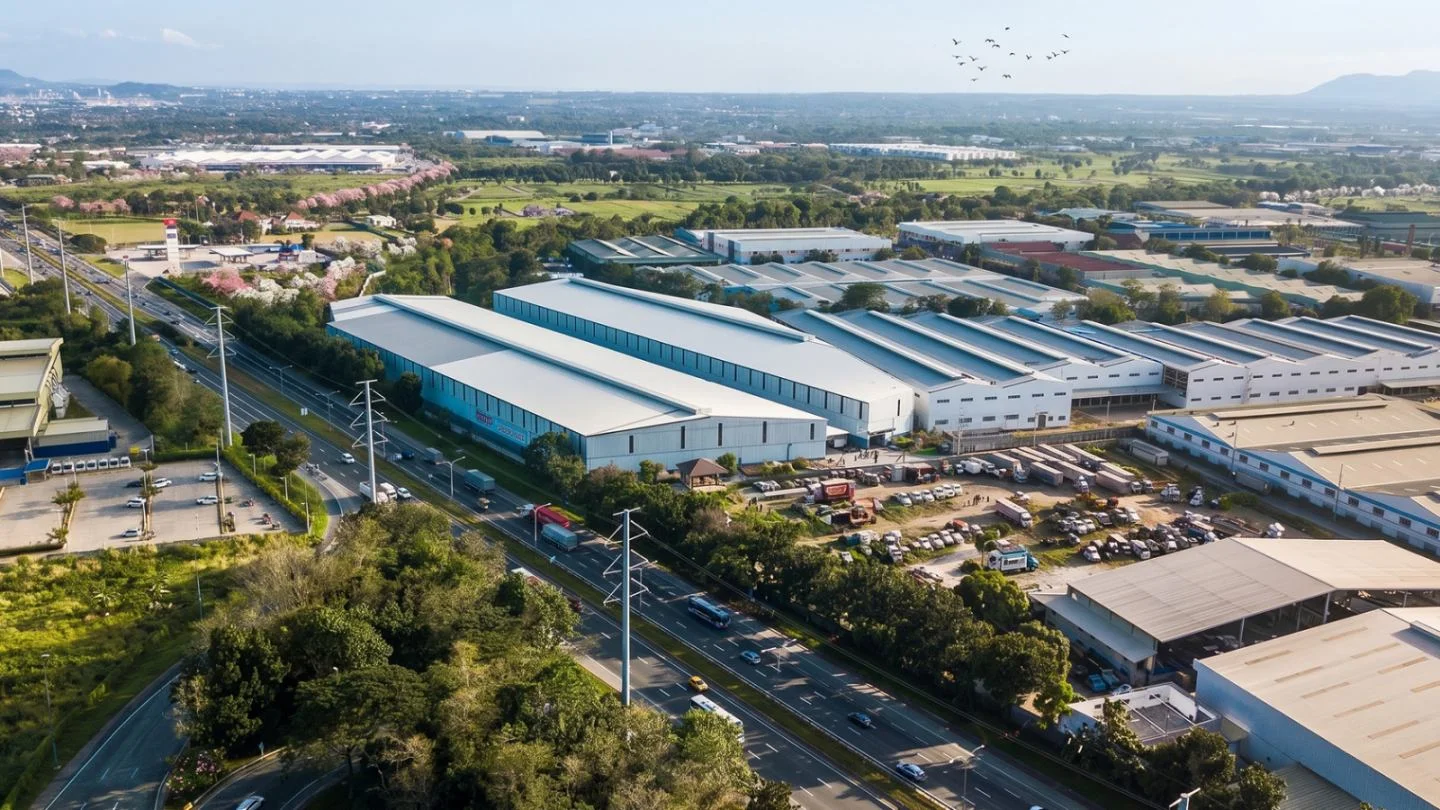
Developments such as Calm Residences by SMDC Nature illustrate this changing mindset. Located in Sta. Rosa, the community draws strength not only from the city’s expanding infrastructure network but also from its emphasis on creating a more livable environment through resort-inspired open spaces, wellness-oriented amenities, generous green areas, and convenient access to workplaces, schools, hospitals and commercial destinations. Rather than treating infrastructure as the end goal, developments like these recognize it as the foundation upon which better communities are built.
This reflects an important evolution in the role of real estate developers.
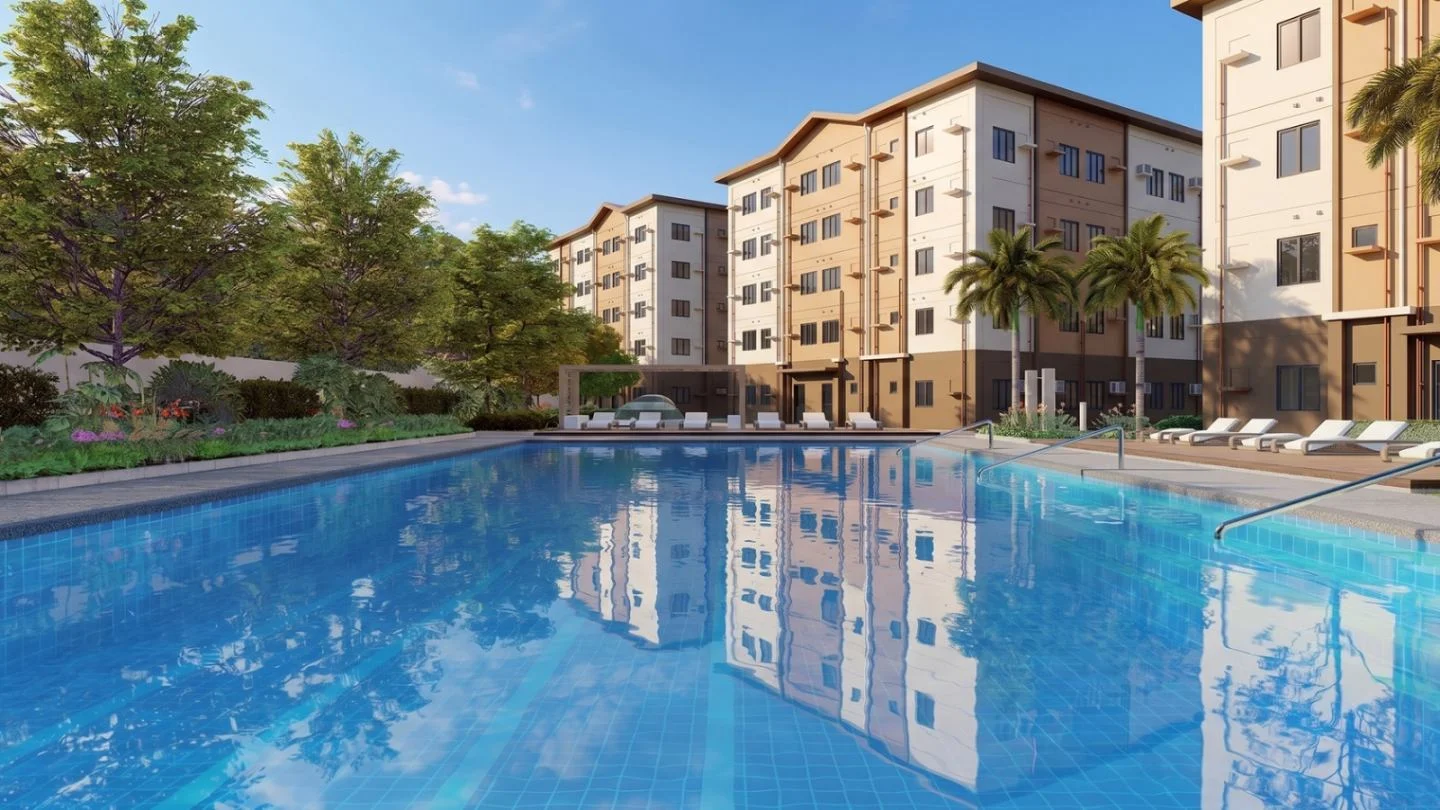
Building near infrastructure is no longer enough. The greater challenge is creating communities that remain relevant long after the roads have been completed and the trains begin to run. That means designing neighborhoods that are resilient, environmentally responsible, people-centered, and capable of adapting to changing lifestyles, including hybrid work, multigenerational living, and a growing preference for wellness and sustainability.
The future of Philippine real estate will not be defined solely by the infrastructure projects that reshape our skylines and connect our cities. It will be defined by the communities that rise around them — and by how well those communities improve the everyday lives of the people who call them home.
Infrastructure will continue to determine where cities grow. But thoughtful community planning will determine where people choose to stay.