Minimalist or Maximalist? 6 Ways to Style Your SMDC Condo Around the Life You Want
From clean, calming spaces to bold, expressive interiors, SMDC shares six design ideas for creating a condo that reflects the way you live.
JULY 14, 2026 | TUESDAY


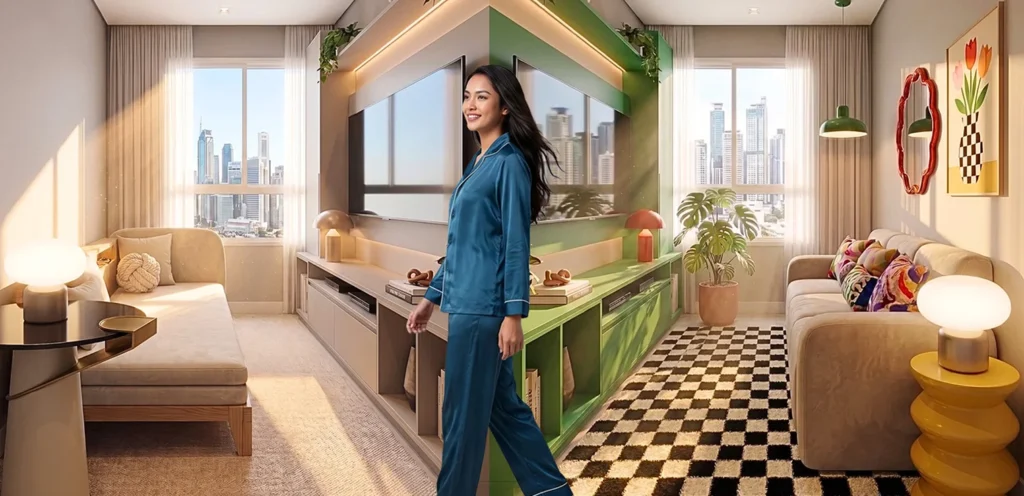
For today’s urban homeowners, interior design has become more than a matter of aesthetics. It is increasingly a reflection of lifestyle, personality, and even daily habits. In compact city homes where every square meter matters, the way a space is designed can influence not only how it looks, but also how it feels and functions.
Across social media and modern residential spaces, two dominant styles continue to shape contemporary condo living: minimalism and maximalism. While one embraces simplicity and restraint, the other celebrates personality, layering, and self-expression. Yet despite their differences, both styles share one common goal—creating a home that feels intentional and deeply personal.
This growing desire for customization reflects how Filipinos now view urban living — seeking homes that go beyond accessibility and amenities to support evolving lifestyles.
1. Start With Function Before Aesthetics
The most successful interiors begin with purpose. Before choosing décor or furniture, homeowners should first consider how they intend to use the space daily.
Minimalist homes often prioritize efficiency and openness, favoring multifunctional furniture and clutter-free layouts. Maximalist interiors, meanwhile, can still remain functional by organizing collections, layering zones thoughtfully, and ensuring that each piece contributes to the overall narrative of the space.
In condominium living, where space optimization matters, intentional design choices create homes that feel both practical and elevated.
2. Let Color Shape the Mood
Color plays a defining role in setting the atmosphere of a home.
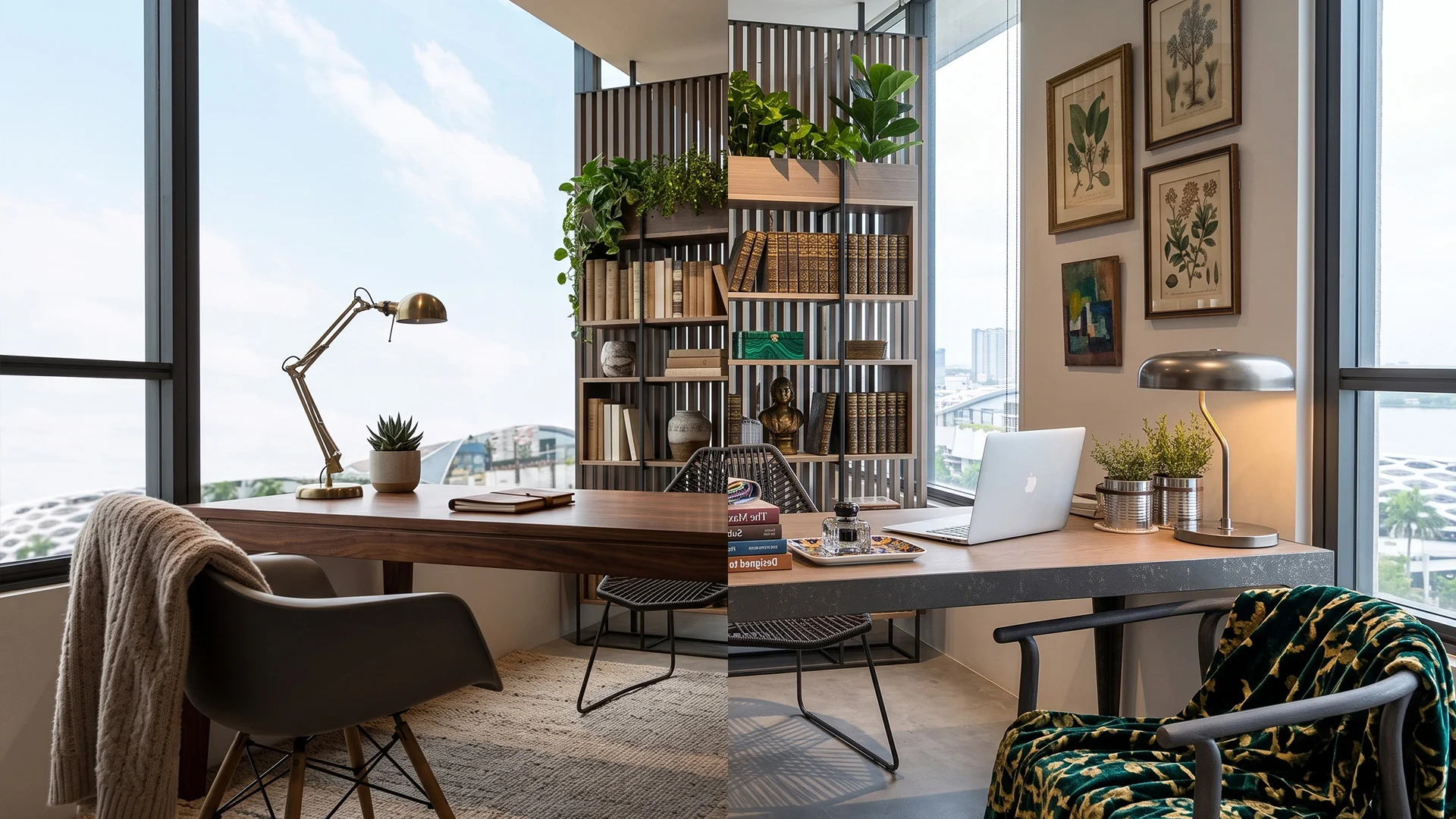
Minimalist interiors typically rely on neutral palettes such as whites, beiges, soft grays, and earth tones to create a calming and timeless environment. These tones can make smaller spaces feel brighter and more expansive.
Maximalist spaces, on the other hand, embrace bold color combinations, dramatic contrasts, and vibrant accents that inject personality into the home. Rich jewel tones, statement wallpapers, and artistic finishes can transform even compact condos into visually dynamic spaces.
The key is consistency—choosing a palette that reflects the mood homeowners want to experience every day.
3. Invest in Pieces That Reflect Personality
Whether minimalist or maximalist, every home benefits from pieces that tell a story.
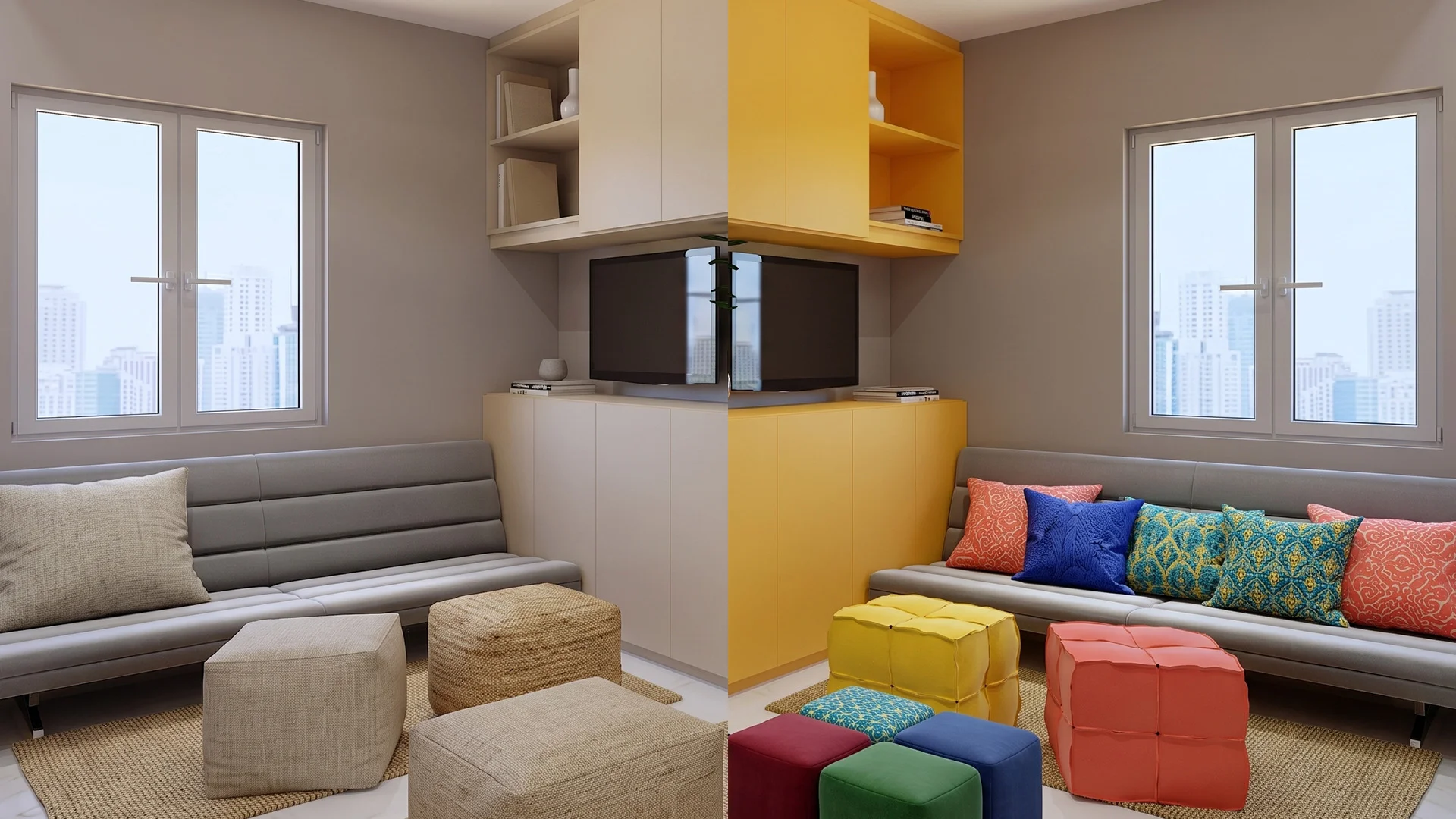
Minimalist styling often highlights fewer but more intentional furniture and décor selections, allowing craftsmanship and material quality to stand out. A sculptural chair, a textured rug, or a single statement artwork can define the entire room.
Maximalist interiors thrive on curation—combining books, travel finds, artwork, and layered décor to create a space rich with character and individuality.
Personalization is increasingly becoming central to modern condo living, especially among younger homeowners seeking homes that feel authentic rather than generic.
4. Use Lighting to Transform Small Spaces
Lighting is one of the most underrated elements in condo design.
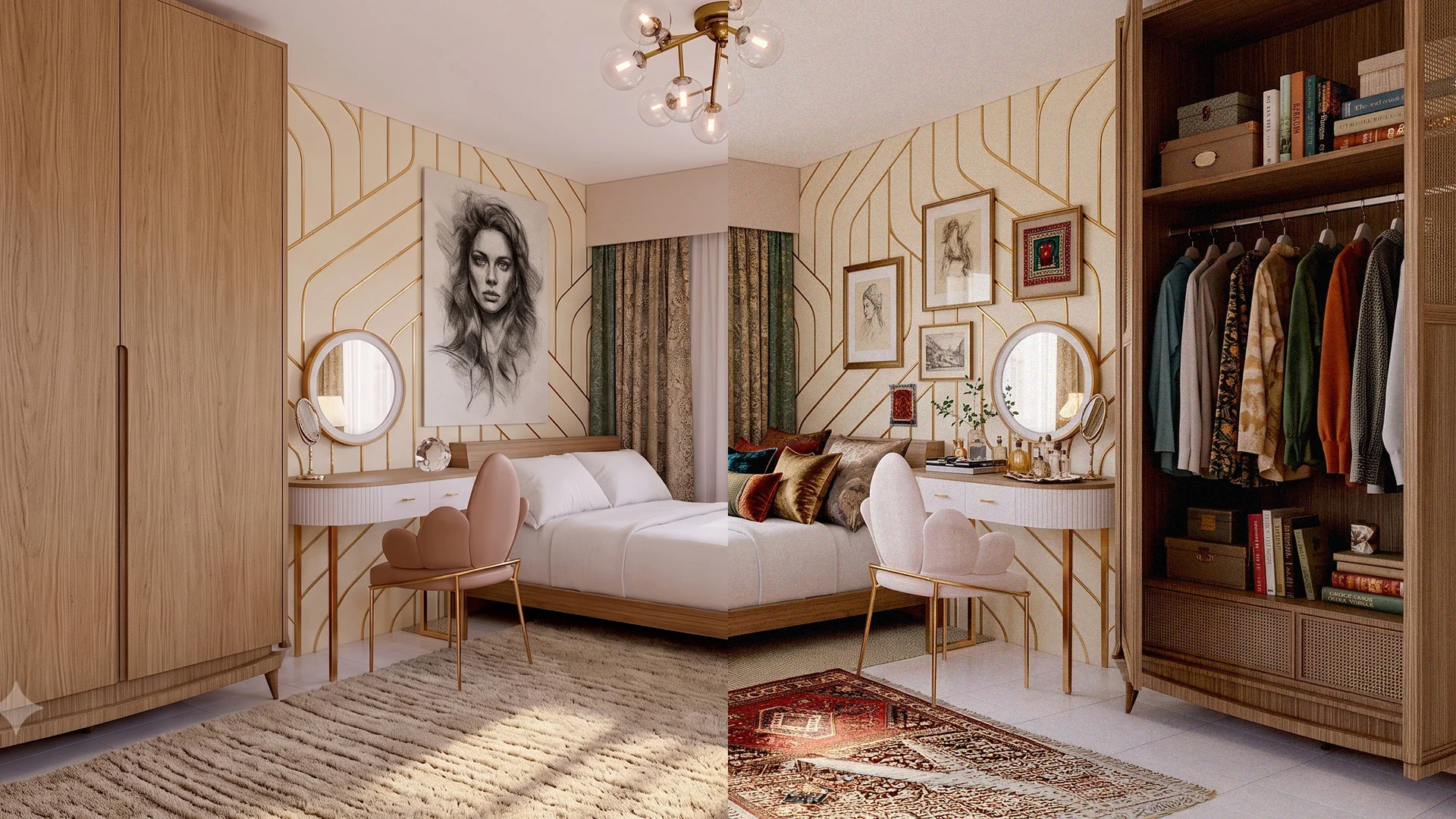
Natural light can enhance minimalist interiors by emphasizing openness and simplicity. Sheer curtains, reflective surfaces, and warm ambient lighting help create a serene and airy atmosphere.
For maximalist interiors, layered lighting — from pendant fixtures to accent lamps — adds depth, drama, and dimension. Strategic lighting can highlight artwork, textures, and focal pieces while making spaces feel more immersive and expressive.
Good lighting does not simply illuminate a room; it shapes how a home is experienced.
5. Embrace Smart Storage Solutions
One of the biggest challenges in condominium living is maximizing storage without sacrificing style.
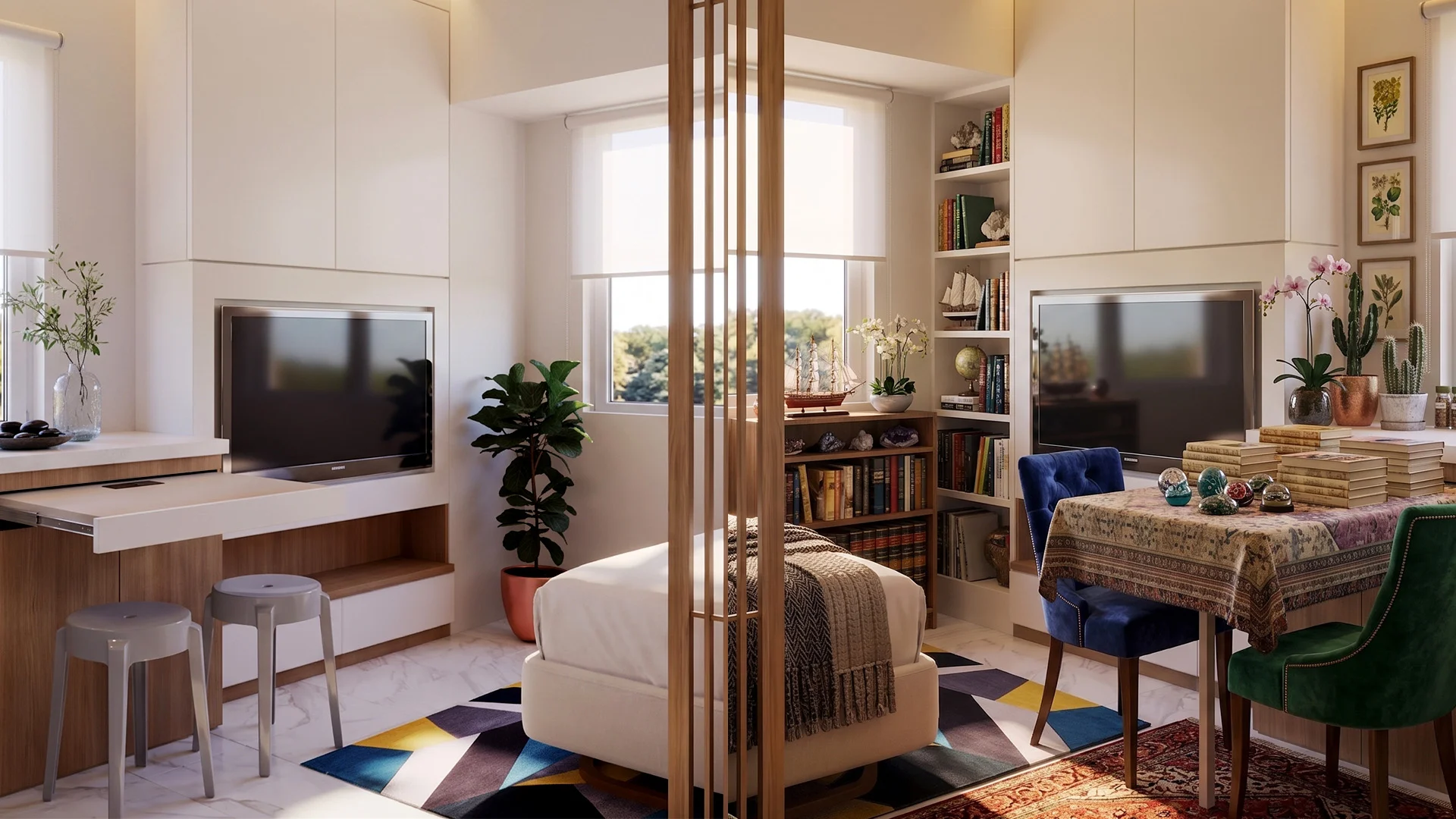
Minimalist spaces often conceal storage seamlessly through built-ins, hidden compartments, and streamlined cabinetry that maintain visual cleanliness.
Maximalist homes can also benefit from organized storage systems that allow collections and decorative elements to feel curated rather than cluttered. Open shelving, display cabinets, and vertical storage can balance visual richness with functionality.
As urban living continues to prioritize efficiency, smart storage remains essential regardless of design preference.
6. Design for Flexibility and Growth
Today’s homes are no longer static spaces. They evolve alongside careers, routines, and personal milestones.
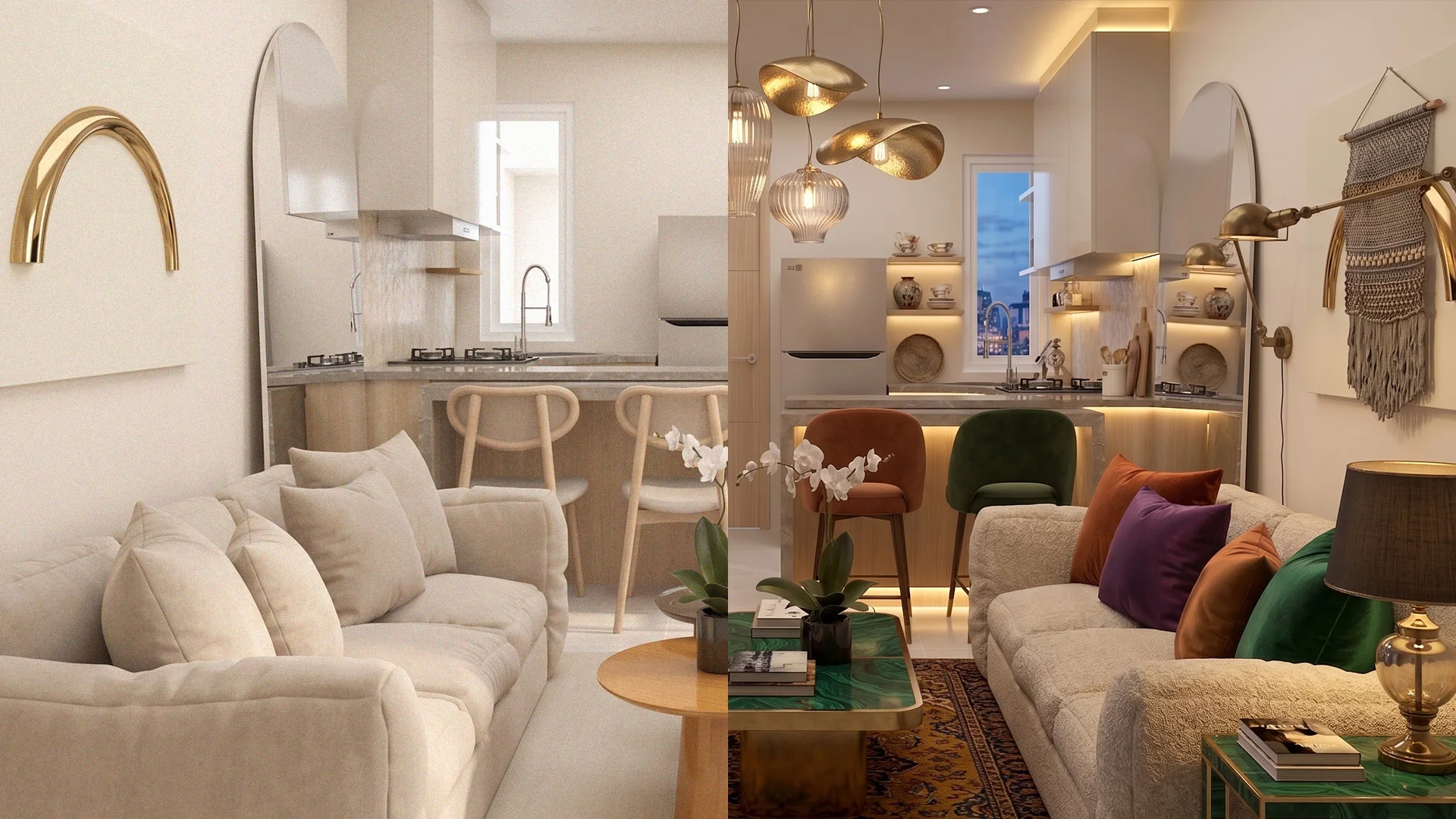
A minimalist home may gradually incorporate warmer textures and layered elements over time, while a maximalist interior may refine its visual direction as tastes evolve. The best-designed condos are those that can adapt to changing lifestyles without requiring a complete redesign.
Modern residential developments are increasingly responding to this shift by creating spaces that support customization, flexibility, and contemporary urban living.
A Home That Reflects Modern Living
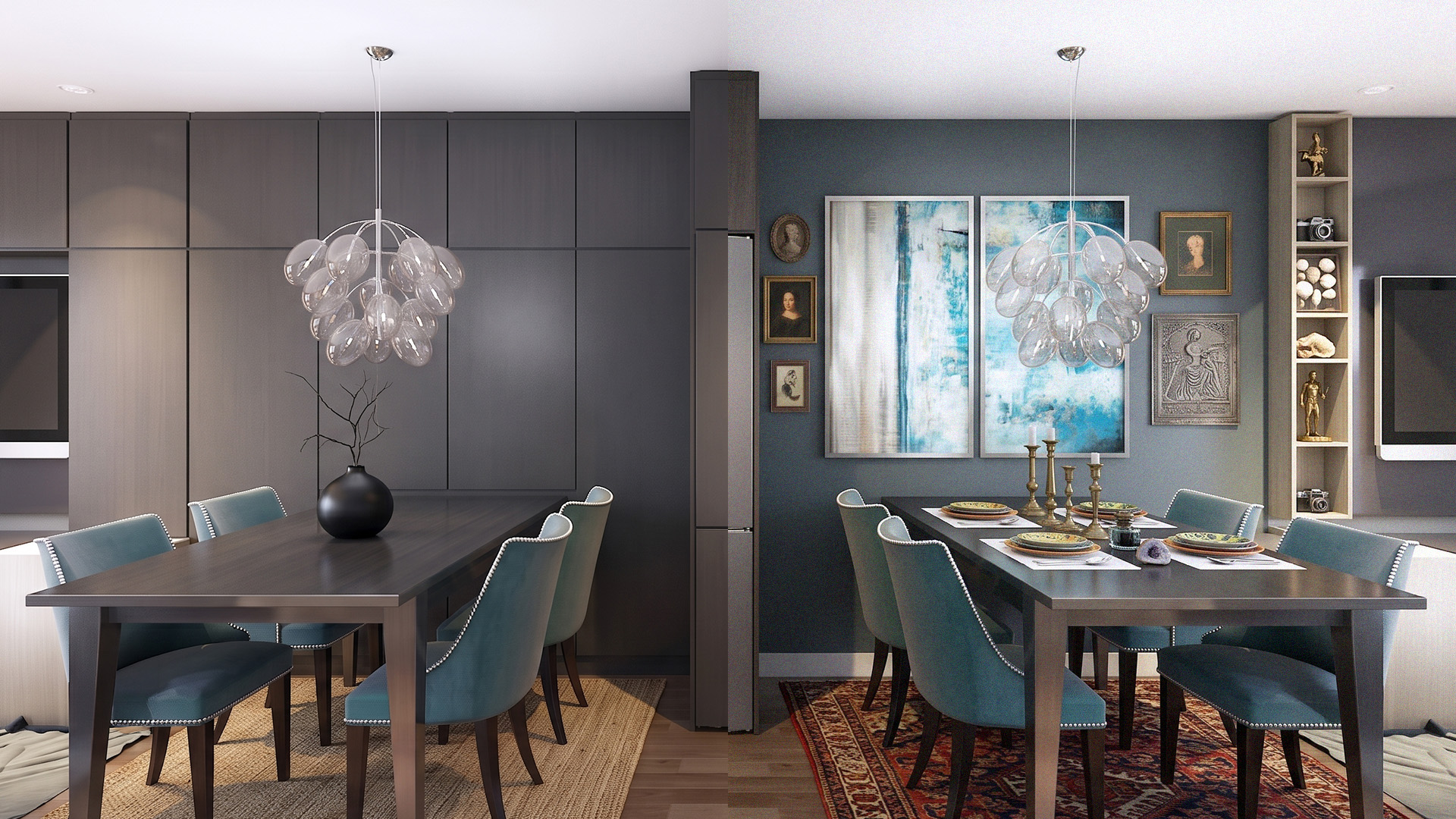
At its core, interior design is not about following trends, but about creating a home that supports the way people want to live. Whether defined by minimalist restraint or maximalist expression, well-designed condominium spaces offer comfort, functionality, and a stronger sense of personal identity.
As more Filipinos embrace urban living, the modern condo is evolving beyond simply being a place to stay. It is becoming a canvas for self-expression, lifestyle aspirations, and everyday experiences.
For developers like SMDC, this evolution reflects a deeper understanding of what today’s homeowners value most: spaces that are not only strategically located and thoughtfully designed, but also capable of adapting to the lifestyles, ambitions, and individuality of the people who call them home.