When Everything You Need Is Close, Life Gets Easier
Why connected districts are becoming the new standard of city living
MARCH 6, 2026 | FRIDAY


For decades, “home” was imagined as an escape from the city. A quiet address set apart from commercial activity. The farther from the noise, the better. Today, that mindset is evolving.
Across Metro Manila and other fast-growing urban centers, homebuyers are choosing something different: locations that bring everyday essentials closer, not farther away. Recent observations from property consultancies such as Colliers Philippines and Leechiu Property Consultants show sustained demand for developments linked to transport networks and integrated retail hubs. More homes are being sold in these districts. But beyond the numbers is a clearer shift in behavior.
People want homes that simplify life.

In dense cities, distance has consequences. A quick grocery run can take hours. Dinner plans depend on traffic. Basic errands require careful scheduling. The farther essentials are from home, the more rigid routines become.
Connected, walkable districts change that equation.
When groceries, restaurants, pharmacies, banks, clinics, and transport links are within walking distance, convenience becomes built in. Errands blend into daily routines. Plans become flexible. Hours are reclaimed.

Parents spend less time navigating traffic. Young professionals move more freely between work and downtime. Older residents find reassurance in having medical services nearby. The benefit is practical and immediate: less friction, more living.
This is where SM Development Corporation (SMDC) has steadily shaped its footprint.
From the outset, SMDC developments have been anchored in locations connected to established commercial centers and transport corridors — environments where infrastructure is already in place and daily necessities are part of the landscape. Rather than building in isolation, SMDC integrates residential communities within thriving districts designed for continuity and access.

Living near a mall once raised questions about noise or congestion. Today, these communities are thoughtfully planned. Residential towers operate within organized estates, with dedicated entrances, open spaces, and layered security. Retail hubs now extend far beyond shopping — incorporating offices, clinics, restaurants, service centers, and mobility links. The result is not just proximity to commerce, but proximity to life’s essentials.
In many SMDC communities, the district functions like a compact city. Residents can live, work, dine, attend events, and complete daily tasks within a unified environment. The infrastructure does not need to be imagined. It is already there.
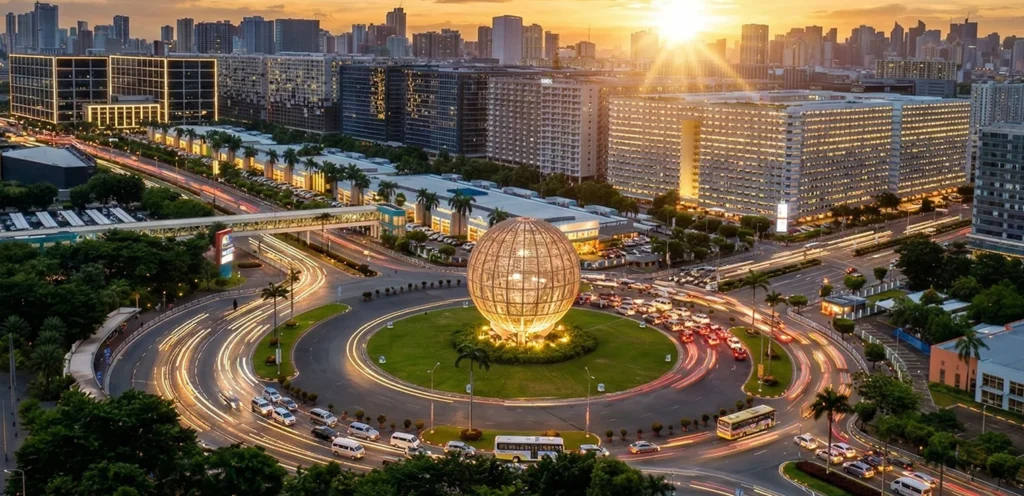
Few places illustrate this more clearly than the SM Mall of Asia Complex.
Over the years, the complex has matured into one of Metro Manila’s most active urban districts. Residential towers stand alongside offices and hotels. Major venues such as SMX Convention Center Manila and the upcoming SMXCITE draw exhibitions, conferences, and large-scale gatherings year-round. The bayfront offers open space, while key roads connect the district efficiently to the rest of the metro. The airport is minutes away.
For residents within the complex, daily life flows more naturally. Work, errands, dining, and leisure happen within the same district. Even large-scale events energize the area without demanding long commutes. The ecosystem supports everyday living.
For homeowners and investors, this built-in connectivity strengthens long-term appeal. Locations anchored in established districts tend to sustain rental demand and reinforce resale value. Once convenience becomes part of one’s routine, it becomes difficult to trade away.
As buyers become more deliberate in defining value, the question grows simpler: will this home make my life easier?
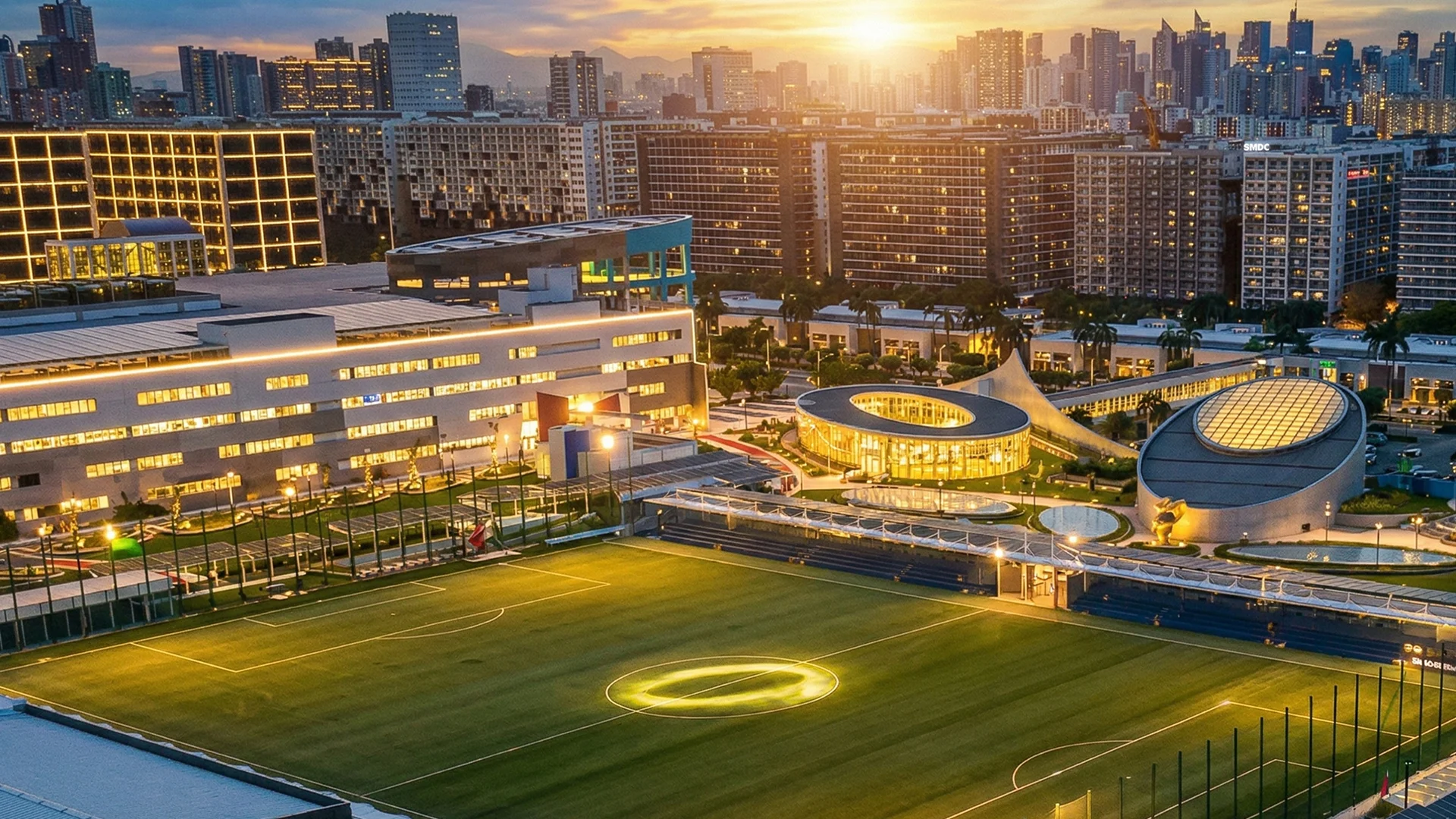
In connected districts developed by SMDC, the answer is increasingly yes.
Sometimes the most meaningful upgrade is not additional square meters. It is shorter distance — and the confidence of living where everything already works.